 Reviews

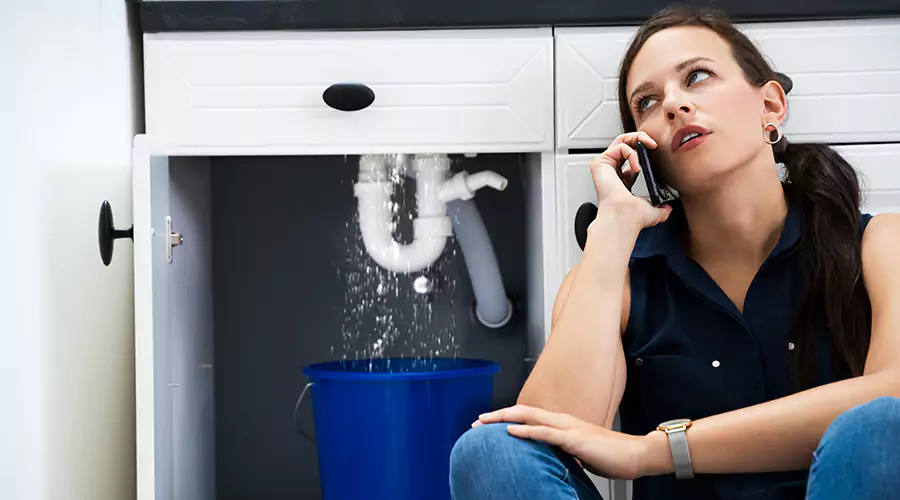
A plumbing emergency rarely starts with a dramatic flood. Most of the time it begins with small, avoidable issues like a slow drain that gets ignored, a supply hose that is past its prime, or water pressure that is quietly too high. The best way to avoid expensive emergency calls is simple: spot risks early, build a few good habits, and schedule smart maintenance.
This guide walks you through the most effective ways to prevent plumbing emergencies in a typical home. You will also learn which warning signs indicate it's time to stop and call a licensed plumber for Emergency Plumbing Repair, ensuring quick action before minor issues turn into major damage.
What Counts as a Plumbing Emergency?
A plumbing emergency is any situation that risks property damage, health hazards, or loss of water service. Common examples include:
- Burst pipes or active leaks that spread quickly
- Sewage backing up into sinks, tubs, or floor drains
- No water to the home
- A water heater leaking from the tank
- Water near electrical outlets or panels
Many of these situations are preventable when you address the early warnings.
1) Know Your Shut Off Valves Before You Need Them
If a supply line fails, minutes matter. Finding the shut off valve during an emergency is stressful and can lead to bigger damage.
What to do today
- Locate the main water shut off valve.
- Locate fixture shut offs under sinks and behind toilets.
- Turn each valve off and on slowly to confirm it works.
- If any valve is seized, leaking, or difficult to turn, add it to your repair list.
2) Stop Leaks While They Are Still Small
Slow leaks can soak cabinets, drywall, and flooring. They also create conditions for mold and pests.
Easy monthly leak checks
- Look under kitchen and bathroom sinks for moisture or swelling.
- Feel shut off valves and supply lines for dampness.
- Check around toilet bases for moisture.
- Look at the ceiling below bathrooms for stains.
The toilet dye test
Toilets are a common source of silent water loss.
- Add a few drops of food coloring to the tank.
- Wait 10 to 15 minutes without flushing.
- If color appears in the bowl, the flapper is leaking.
Fixing a running toilet early can prevent a surprising jump in your water bill.
3) Treat Your Drains Like They Matter
Emergency drain backups are often the result of months of buildup.
Kitchen drain rules
- Never pour grease or oil down the sink.
- Use a strainer to catch food scraps.
- Run cold water when using the garbage disposal.
Bathroom drain rules
- Use hair catchers in tubs and showers.
- Do not flush wipes, paper towels, floss, or hygiene products.
- Clean stoppers and strainers weekly.
A safe monthly drain routine
- Rinse strainers.
- Use an enzyme based drain cleaner if you have recurring buildup.
- Use a plunger for minor clogs.
Avoid harsh chemical drain cleaners. They can damage pipes and make professional repairs more hazardous.
4) Replace High Risk Hoses and Connectors
Supply hoses for washing machines, dishwashers, and ice makers are common failure points. A hose can burst without warning and flood a room quickly.
Replace or upgrade these items
- Rubber washing machine hoses that are more than five years old
- Corroded shut off valves and angle stops
- Cracked faucet supply lines
- Ice maker lines that are kinked or leaking
Braided stainless steel hoses are a solid upgrade for washing machines. They resist bulging and wear better than basic rubber hoses.
5) Keep Water Pressure in a Safe Range
Water pressure that is too high stresses valves, joints, appliances, and fixtures. It can turn a minor weakness into a sudden leak.
Signs of pressure issues
- Banging pipes when you shut off a faucet
- Frequent faucet drips or toilet fill valve problems
- Short appliance lifespan
A pressure gauge on an outdoor faucet can give you a quick reading. Many homes run best around 40 to 60 psi. Pressure consistently above 80 psi is a risk. If you suspect pressure issues, a plumber can test the system and service the pressure reducing valve if needed.
6) Do Not Ignore Water Heater Red Flags
Water heaters can fail suddenly, but they often provide clues first.
Warning signs to take seriously
- Moisture at the base of the tank
- Rust streaks on the tank
- Rumbling or popping noises
- Discolored hot water
- Hot water that runs out quickly
Set the temperature around 120 F for safety and efficiency. If the temperature and pressure relief pipe drips regularly, schedule service. That valve is a safety component.
7) Prevent Sewer Line Nightmares
Main sewer backups are among the messiest and most expensive emergencies.
Common warning signs
- Multiple fixtures draining slowly at the same time
- Gurgling sounds after flushing
- Sewer odors that return after running water
- Water backing up in the tub when a toilet flushes
Prevention tips
- Do not flush anything except toilet paper.
- Keep grease out of drains.
- If you have mature trees near the sewer route, consider periodic camera inspections.
A single camera inspection can identify root intrusion, pipe sags, or buildup before a full backup happens.
8) Seasonal Steps That Prevent Big Problems
Cold weather prep
- Insulate exposed pipes in unheated areas.
- Disconnect and drain outdoor hoses.
- Keep indoor temperatures stable during cold snaps.
Warm weather prep
- Check outdoor faucets for drips.
- Inspect irrigation lines for soggy soil or leaks.
- Clean out gutters and make sure downspouts direct water away from the foundation.
9) Build a Simple Maintenance Schedule
A practical schedule keeps you from forgetting the basics.
Monthly
- Under sink moisture check
- Toilet listening check
- Quick scan for stains and musty smells
Quarterly
- Clean drain strainers
- Inspect appliance hoses
- Test fixture shut offs gently
Yearly
- Professional plumbing inspection
- Water heater evaluation
- Drain cleaning if you notice recurring slow drains
10) Prepare for the Moment Something Goes Wrong
Even with prevention, things can still fail. A simple plan reduces damage.
Keep an emergency kit
- Plunger
- Adjustable wrench
- Bucket
- Towels
- Flashlight
- Plumber's tape
- A small hand auger
First response steps
- Shut off water at the nearest valve, or the main valve if needed.
- Turn off power to affected areas if water is near electrical components and it is safe to do so.
- Take photos for insurance.
- Call a licensed plumber.
When to Call a Licensed Plumber?
Safety box: Call a licensed plumber immediately if you have sewage backup, water meter movement when all water is off, leaks in walls or ceilings, a water heater leaking from the tank, or water near electrical outlets. These issues can involve main line failures, hidden damage, and safety hazards.
Final Thoughts
Costly plumbing emergencies are often preventable. Know your shut offs, replace high risk hoses, keep drains clean, monitor water pressure, and take water heater warning signs seriously. A little routine maintenance can protect your home and your budget.
Want a professional to inspect your system and spot risks early? Contact a licensed plumbing company to schedule a full home plumbing checkup and prevent emergencies before they start.
Frequently Asked Questions
How can I tell if I have a hidden leak?
Do a water meter test. Turn off all water use, take a photo of the meter, wait 30 to 60 minutes, then recheck. Meter movement suggests a leak or running fixture.
Is it worth replacing hoses before they leak?
Yes. Washing machine hose failures are common and can cause major flooding. Preventive replacement is far cheaper than water damage repairs.
What is the biggest cause of drain emergencies?
Grease in kitchen lines and hair buildup in bathroom drains are common causes. Flushing wipes is another major trigger for backups.
Do I need yearly sewer camera inspections?
Not always. If you have recurring clogs, gurgling drains, or trees near the sewer line, periodic inspections are a smart investment.
How do I know if my water heater needs replacement?
If the tank leaks, replacement is usually required. Frequent temperature issues, heavy rust, or an older heater with constant problems also point toward replacement.